



Product Description
In the realm of logistics, warehousing, and industrial operations, the reliability and safety of freight elevators are paramount. FUJI side-opening freight elevator is purpose-built to meet these exacting standards, ensuring seamless and secure vertical transportation.
1. Ultimate Safety: Guaranteed Peace of Mind
FUJI side-opening elevator design incorporates advanced fall-prevention mechanisms and emergency braking systems. This ensures that in the unlikely event of an accident, both the cargo and operators are protected, preventing any damage or harm. The unique side-opening function not only expedites the movement of large and bulky items but also significantly reduces the risk of cargo damage or operator error.
2. Dependability: Standing the Test of Time
FUJI side-opening freight elevators are crafted using high-quality materials and components. Rigorous testing ensures their durability under even the most demanding conditions, ensuring consistent performance over time. The robust construction and advanced electrical systems mean fewer maintenance issues and lower operational costs. The intelligent fault diagnosis system can pinpoint and address potential problems, ensuring continuous operation.
3. Smart Technology: Enhanced Efficiency
At the heart of the FUJI elevator lies cutting-edge control systems that facilitate effortless operation. Whether it's remote control or smart device integration, operators can manage cargo movements efficiently and accurately. Additional features like automatic doors and anti-trap mechanisms further enhance productivity and operational safety.
The FUJI side-opening freight elevator is your trustworthy partner in ensuring safe and efficient logistics operations. Let's work together to achieve secure and efficient vertical transportation.

Different Types of Freight Elevators
Traction Freight Elevators
Utilizing a system of ropes and counterweights, traction freight elevators efficiently raise and lower cargo. They are esteemed for their energy efficiency and are prevalent in tall structures or facilities requiring robust lifting capabilities.
Hydraulic Freight Elevators
Powered by hydraulic mechanisms, these elevators excel in lifting heavy loads with smooth and quiet operation. They are well-suited for installations in buildings of low to medium height.
Machine Room-Less (MRL) Elevators
MRL freight elevators revolutionize traditional elevator design by integrating machinery and components directly within the shaft or hoistway, eliminating the need for a separate machine room. They save space and offer flexible installation options, making them popular where space is limited.
Material Lifts
Material lifts, also referred to as vertical reciprocating conveyors (VRCs), are engineered for transferring goods between different levels within a building. Commonly deployed in industrial environments and warehouses, they streamline logistical operations.
Car Elevators
Tailored for the transportation of vehicles, car elevators are specialized freight elevators prevalent in car dealerships, parking structures, and automotive service centers.
Dumbwaiters
Although smaller in scale, dumbwaiters are classified as freight elevators and serve the purpose of conveying small goods, food, or supplies between different floors. They are a familiar sight in establishments such as restaurants, hotels, and residential buildings.
Categories of Side Opening Freight Elevator
Freight elevators are classified into five categories based on their maximum capacity and how they load and unload freight.
Class A: The general freight loading elevator is designed to transfer uniformly distributed loads that do not exceed a quarter of the elevator's capacity. Freight is loaded and unloaded manually into the elevator cab or with hand trucks.
Class B: This category includes motor vehicle loading elevators, which are solely used for transporting vehicles.
Class C1: This category includes industrial truck loading elevators. The four-wheeled vehicle used for loading and unloading the freight can remain in the elevator cab. However, the total combined load of the vehicle and the freight must not exceed the elevator's capacity.
Class C2: Also a category for industrial truck loading elevators, these are designed to transfer heavier loads and can handle uploads up to 150% of the rated capacity. They are suitable for forklift loading.
Class C3: Another type of industrial truck loading elevator, ideal for single-piece loads weighing as much as the elevator's maximum capacity.
Construction Layout Drawing and Specifications


Standard Function


Features of side opening fUJI freight elevator
Side opening FUJI freight elevator has unique product characteristics that make it outstanding in cargo transportation.

Side Opening
The side opening freight elevator design allows the elevator doors to open on the side, facilitating the entry and exit of forklifts and goods, improving the efficiency of loading and unloading. This design is particularly suitable for use in environments with limited space, such as warehouses, workshops, etc.
Strong Load-Bearing Capacity
FUJI freight elevators have strong load-bearing capacity. Their robust structure and high-quality traction system can withstand large tonnages of cargo, ensuring stable and safe transportation.
A Variety Of Control Methods
In order to meet the transportation needs of different goods, FUJI freight elevators provide a variety of control methods, such as manual control, wireless remote control, and automatic positioning, which allows users to choose according to their actual situation.
Easy To Use
The spacious interior layout of the elevators is convenient for stacking goods and forklift operation. The control panel is simple and intuitive, allowing users to quickly master the operation methods.
Environmental Protection
FUJI freight elevators also focus on energy conservation and environmental protection. Advanced energy-saving technologies, such as energy feedback systems, can effectively reduce energy consumption and minimize environmental impact.
5 Primary Uses of Freight Elevators
Freight elevators serve a wide array of purposes in industries and establishments necessitating the efficient and secure conveyance of heavy loads, thereby improving productivity and optimizing logistical operations.
Warehouses and Distribution Centers: These elevators expedite the safe transportation of bulky items, pallets, and bulk materials, thereby augmenting workflow efficiency and overall productivity within these facilities.
Manufacturing Facilities: By facilitating the seamless and punctual transfer of materials across different production zones, freight elevators mitigate downtime and enhance the efficiency of manufacturing processes.
Retail Outlets and Shopping Complexes: Freight elevators streamline the movement of inventory from storage areas to retail floors, ensuring prompt restocking and replenishment activities to meet consumer demand effectively.
Healthcare Institutions and Hospitals: Within medical settings, freight elevators optimizing logistics by facilitating the swift and organized transfer of essential resources between various departments and floors.
Construction Sites: Freight elevators contribute to heightened productivity and safety standards by minimizing manual handling requirements and reducing the likelihood of workplace accidents.
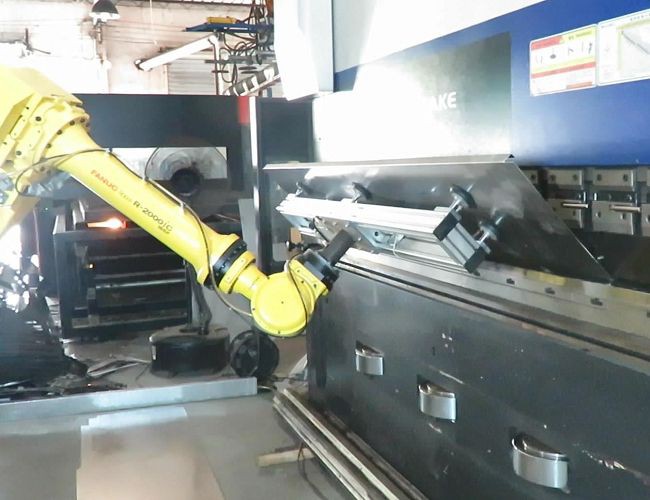
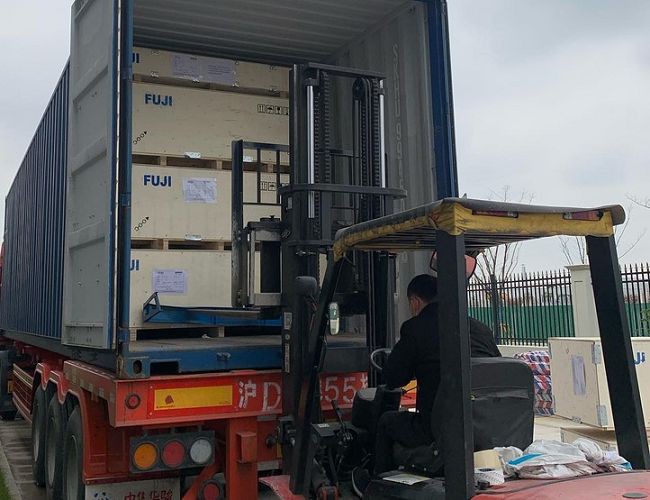
Production Flow




What's The Difference Between Freight Elevator and Passenger Elevator?
When comparing freight elevators to their passenger counterparts, it's evident that each serves distinct purposes. Passenger elevators are tailored for transporting people, while freight elevators are geared towards carrying cargo. Here's a closer look at the key differences between passenger and freight elevators:
Capacity: Passenger elevators typically boast a higher capacity than freight elevators. They can accommodate up to 50 individuals at once, whereas freight elevators usually have a capacity ranging from 10 to 20 people.
Speed: Passenger elevators operate at a swifter pace compared to freight elevators. They typically traverse at around 500 feet per minute (fpm), whereas freight elevators maintain a speed of approximately 200 fpm.
Safety Features: Passenger elevators are equipped with a more extensive array of safety features compared to freight elevators. For instance, they often feature automatic doors and emergency stop buttons. Conversely, freight elevators commonly have manual doors and lack emergency stop mechanisms.
Maintaining Your Freight Elevator: 5 Simple Tips for Optimal Performance
When it comes to freight elevators, maintenance is key to keeping them running smoothly. Here are a few easy tips to keep your freight elevator in top shape:
- Conduct routine inspections to identify any signs of damage or wear and tear.
- Keep the elevator clean and clear of debris to minimize the risk of accidents and disruptions.
- Regularly lubricate the moving components of the elevator to reduce friction and enhance efficiency.
- Verify that all safety mechanisms on the elevator are functioning correctly to uphold passenger and cargo security.
- Periodically test the emergency stop button to confirm its functionality and readiness in case of an emergency.
FAQs
Q: Can an elevator open on both sides?
Q: What is the weight limit for a freight elevator?
Q: Why do freight elevators have vertical doors?
Q: What is a side opening elevator?
Q: What is the difference between center opening and side opening elevator?
Q: What type of doors are typically used on a freight elevator?
Q: What is the purpose of a freight elevator?
Q: What is the minimum size of a freight elevator?
Q: Can a freight elevator be used for passengers?
Q: What is the difference between cargo elevator and freight elevator?
Q: How tall are freight elevator doors?
Q: Why is the elevator door keeps opening and closing?
Hot Tags: side opening freight elevator, China side opening freight elevator manufacturers, suppliers, factory, Side Opening Freight Elevator, Double folded Center Opening FUJI Freight Elevator, Center Opening Freight Elevator, Freight Elevator, 3 folded Center Opening FUJI Freight Elevator


