



Fuji Elevator : Your Professional Villa Elevator Supplier!
Fuji Elevator Co.,Ltd is a professional manufacturer and supplier of elevators. Our company was established in Huzhou, China in 1987, integrating elevator research and development, production, sales, installation and after-sales service. Currently, we mainly operate Passenger Elevator, Observation, Elevator, Hospital Elevator, Freight Elevator, Home Elevator, Car Elevator, Escalator and Moving Walk products. These elevators have been exported to more than 60 countries and regions including the United States, Australia, Russia, and Ukraine, and have won widespread praise from customers.
Rich Experience
We have more than 35 years of experience in elevator manufacturing and sales, are capable of providing elevator design, installation and after-sales solutions to customers in different regions.
Well Equipped
We have an intelligent manufacturing center of 60,000 square meters and an office space of 18,000 square meters, equipped with multiple robot production lines, intelligent spraying lines, and automated production lines.
Quality Assurance
We have a CNAS certified testing center, all production processes comply with ISO standards, and our products have also obtained ASME, CE, SGS and other certifications.
Customized Services
All our elevators accept customized designs, including dimensions, wall thickness, materials, etc. based on the actual site design, and support printing with your logo.

Reliability is the cornerstone of Outdoor Escalator. Made with high-quality materials and components, the escalator is tested to ensure consistent performance in a range of weather conditions. Whether it's a cold winter day, a hot summer afternoon, or a rainy day, the outdoor FUJI escalator can handle the elements, providing dependable service.

600mm Wide Opaque Handrail FUJI Escalator
600mm Wide Opaque Handrail FUJI Escalator prioritizes safety and reliability. We have adopted the most advanced technologies and materials to ensure that every escalator undergoes rigorous quality control and safety testing. The opaque handrail design effectively conceals the interior of the escalator, reducing external interference and enhancing passengers' sense of security. Additionally, FUJI escalators are equipped with multiple safety protection devices, including emergency stop buttons, overload protection devices, anti-slip handrails, etc., to ensure that passengers remain in a safe state during the ride.

1000mm Wide Fully Transparent Handrail FUJI Escalator
1000mm Wide Fully Transparent Handrail FUJI Escalator emphasizes safety in its design, using high-strength materials and precision manufacturing processes to ensure stable operation under various conditions. The unique anti-slip design of the handrail effectively prevents passengers from falling, while the emergency brake system provides instant response, ensuring passenger safety.

The small shaft design is a key feature of the 400kg MR FUJI home elevator. This elevator is tailored for compact spaces, adapting to various limited spatial requirements. Whether it's for the renovation of old homes or the construction of modern small-sized units, this elevator seamlessly integrates, saving precious space.

260kg MRL FUJI home elevator is a lifting equipment that is tailor-made for modern homes. It has won widespread praise for its elegant and beautiful design, superb craftsmanship, and exceptional quality, bringing comfort and convenience to your home life.Firstly, aesthetics are a key selling point of the 260kg MRL FUJI home elevator. With a minimal yet stylish design concept,this elevator blends seamlessly with various home styles, enhancing the overall spatial aesthetics.

Outdoor Installation Home Elevator
Outdoor Installation Home Elevator provide an empowering sense of independence to many who experience medical challenges that make navigating stairs a difficult task. If you need assistance navigating stairs, you'll often find yourself at the mercy of someone else's schedule. By having an in home elevator you regain some of your freedom and independence, having the choice to go wherever you want whenever you want.

5000kg Parking FUJI Car Elevator
5000kg parking FUJI car elevator sets high industry standards. Multiple safety precautions, including emergency braking systems and anti-skid designs, ensure rapid response in any unexpected situation and minimize risks.

Side Opening Freight Elevator is crafted using high-quality materials and components. Rigorous testing ensures their durability under even the most demanding conditions, ensuring consistent performance over time. The robust construction and advanced electrical systems mean fewer maintenance issues and lower operational costs. The intelligent fault diagnosis system can pinpoint and address potential problems, ensuring continuous operation.

Center Opening Freight Elevator
The Center Opening Freight Elevator adopts an advanced center opening design, which evenly distributes cargo during lifting, effectively avoiding the phenomenon of eccentric loading and ensuring stability and safety during transportation. Whether it's heavy equipment or precision instruments, the FUJI center opening elevator can ensure their stability during transportation, reducing the risk of damage.
A villa elevator is an elevator installed in a villa or residential property, typically serving as a convenient means of vertical transportation between floors. Villas, which are often spacious and multi-story buildings, may incorporate elevators for various reasons, including accessibility for elderly or disabled residents, convenience for transporting heavy items between floors, or simply to add a touch of luxury. These elevators are usually smaller and more personalized compared to those found in commercial buildings, and they may be customized to complement the design and aesthetic of the villa.
Features of Villa Elevator
Space Optimization
Unlike traditional staircases which occupy a significant portion of the floor plan, a villa elevator takes up minimal space, allowing homeowners to maximize their living area. This is particularly advantageous in smaller villas where every square foot counts. By integrating the elevator into the architectural design, it seamlessly blends with the overall aesthetics of the home.
Energy Efficiency
Villa Elevator is built with energy efficiency in mind, utilizing low-power consumption systems and LED lighting to minimize electricity usage.
Safety Features
Safety is paramount in residential lifts. Common safety features include emergency stop buttons, automatic re-leveling, alarm systems, and locking devices to prevent the doors from opening unless the elevator is level with the floor.
Hydraulic or Electric Drive Systems
Home elevators can be powered by hydraulic systems or electric traction drives. Hydraulic systems are known for their smooth operation, while electric lifts offer energy efficiency and lower maintenance costs.
The Machine Room
The main functional components of your residential elevator are housed in the machine room. These parts include the drum motor, cables, and control box. The contents of a machine room will differ depending on the type of elevator you choose. A hydraulic lift elevator will have a hydraulic tank in its machine room, and many pneumatic vacuum lift elevators do not require a separate machine room at all.
The Hoistway
One of the most important parts of your residential elevator is the hoistway because this part contains the elevator car. A hoistway is made up of three components: the pit, the travel, and the overhead.
Support Structure
Another equally vital part of the elevator is its structure. Constructed of guide rails, a counterweight, and more, the elevator's support structure is designed to keep your car secure within the elevator shaft and bear the load of the elevator and its passengers safely.
Elevator Car
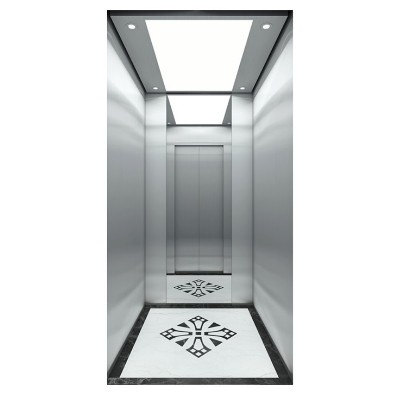
Last but not least is the part of the elevator you'll become the most familiar with. The elevator car is designed to carry a user safely and comfortably from floor to floor. It can be customized any number of ways, from its interior design to the type of buttons on the control panel.

Assessing Your Space
First, look at how much space you have. Different elevators need different amounts of room. For example, some elevators are compact and can fit in smaller areas, while others might need more space for extra equipment like a machine room. It's important to know this so you choose an elevator that fits your home. Measure your available space carefully and compare it with the requirements of the elevator you're considering.
Understanding Structural Needs
Installing an elevator isn't just about finding space; your home might need some changes to support it. For bigger elevators, you might need to make openings in floors or strengthen parts of your house.
Professional Insight
Talking to a specialist is the best way to make sure you pick the right elevator. They'll look at your home and suggest the best elevator for your space and needs. They know all about the different types of elevators and what each one requires.
Increased Mobility & Accessibility
Whether you're a senior looking to age in place or someone with a disability, a Villa Elevator can provide the independence and freedom you need to access every area of your home without limitations. A home elevator allows you to maintain a higher quality of life by breaking barriers and enhancing your mobility.
Convenience and Comfort
While Villa Elevator can cater to individuals with mobility issues, they also bring convenience and comfort to everyone in a household. Moving heavy items or multiple bags of groceries between floors becomes a breeze with a home elevator. Everyone in a multi-generational household will benefit by having a Villa Elevator.
Hoistway and Layout
For both hydraulic and traction elevators, the hoistway needs to be square and plumb, clear, dry and clean inside. A sales representative can review the required dimensions with you to make sure the hoistway is up-to-code.
Woodframe Blocking
Pre-installation wood-frame blocking requirements are the same for hydraulic and traction elevations. There need to be 2-by-12-inch pine studs running up and down the entire hoistway, spaced 12 inches from the centerline of the rail wall. The wood needs to be attached to wall supports using 3/8-by-2.5-inch lag bolts. Horizontal support is required every 12 vertical feet.
Minimum Pit
A minimum pit of 8 inches is needed for both types of elevators. For traction elevators, the pit needs to be able to withstand a 5,100-pound load. The load requirement for a hydraulic elevator is 3,900 pounds.
Machine Room
If you're going to have a hydraulic elevator installed, a machine room will need to be created. Ideally, the room is at the lowest level, next to the elevator. It needs to measure at least 4-feet-by-4-feet. It should also be located above a flood zone, if necessary, but preferably not in the attic. The machine room can be located remotely, but doing so will require additional pipe.
Removing the Ceiling or Floor
The contractor will need to create an opening between floors for the elevator to pass through. If the architect designed the house with stacked closets and temporary flooring between them, the process might be simple. If the floors and ceilings are more substantial, this phase of the process can take longer but is still very doable.
How to Maintain Villa Elevator
Scheduled Inspections
Regularly inspect the elevator components, including the car, doors, rails, cables, and safety features, for any signs of wear, damage, or malfunction. Check for unusual noises, vibrations, or irregularities during operation that may indicate potential issues.
Cleaning and Lubrication
Keep the elevator car, doors, and shaft clean and free from debris, dust, and obstructions that could interfere with operation. Lubricate moving parts such as door hinges, rollers, and guide rails as per the manufacturer's recommendations to reduce friction and wear.
Testing Safety Features
Test the elevator's safety features, including emergency brakes, door interlocks, overload sensors, and emergency communication systems, to ensure they are functioning correctly. Conduct regular emergency stop tests and evacuation drills to familiarize occupants with emergency procedures.
Electrical System Maintenance
Inspect the electrical wiring, connections, and control panels for signs of damage, corrosion, or overheating. Verify the proper functioning of lighting fixtures, indicators, displays, and emergency lighting systems within the elevator car and shaft.
Mechanical Adjustments
Periodically check and adjust the tension of cables, belts, and counterweights to maintain proper balance and alignment of the elevator system. Verify the alignment of guide rails and ensure smooth movement of the elevator car within the shaft.
Certificate Photo


Frequently Asked Questions
Hot Tags: outdoor installation home elevator, China outdoor installation home elevator manufacturers, suppliers, factory, 260kg MRL FUJI Home Elevator, Villa Elevator, 400 kg MR FUJI Home Elevator, Home Elevator, Outdoor Installation Home Elevator


