



Product Description
FUJI side opening FUJI bed elevator is a vertical transportation solution specifically designed for hospitals and medical institutions, aiming to provide patients and medical staff with a comfortable and safe riding experience. FUJI elevator incorporates advanced technology and design concepts to meet the special needs of medical environments for large space and stability.
Comfort
side opening FUJI bed elevator features a spacious interior that can accommodate standard beds and medical staff, ensuring enough space and comfort during patient transfers and emergency situations. Both patients and medical staff can enjoy ample comfort within the elevator, reducing stress and anxiety in the busy hospital environment.
Stability
FUJI elevator employs advanced control technology and high-quality steel to ensure smooth and reliable lifting services under various conditions. Whether starting, stopping, or switching floors, FUJI elevator ensures stable and vibration-free travel, providing patients with a reassuring and comfortable ride experience.
User-Friendly
Additionally, FUJI bed elevator places particular emphasis on detail and user-friendly design. For instance, considering the special needs of beds, we have designed convenient fixtures inside the elevator to facilitate medical staff quickly and safely securing beds within the elevator. At the same time, we have meticulously designed control panels and button layouts for easy operation and reduced the possibility of misoperation.
Low Noise
Hospital elevators are designed to operate quietly, minimizing noise levels within the facility. This promotes a peaceful and healing environment for patients, ensuring their comfort and rest.
Low Maintenance
Hospital elevators are built with durable and reliable components, reducing the need for frequent maintenance. This decreases downtime, ensuring uninterrupted service and minimizing disruptions to patient care.
Necessary Attachments Facility
The combination of smart monitoring and emergency communication buttons in hospital elevators provides an added layer of security, detecting any anomalies or malfunctions that may occur. In the event of an emergency, passengers can quickly and easily access emergency communication buttons to alert staff or summon immediate assistance, ensure patient safety.
Safety
Infection control is a top priority in healthcare facilities, and hospital elevators are designed to facilitate easy and effective infection control measures. These elevators feature materials and surfaces that are resistant to bacteria and easy to clean and disinfect.

Construction Layout Drawing and Specifications
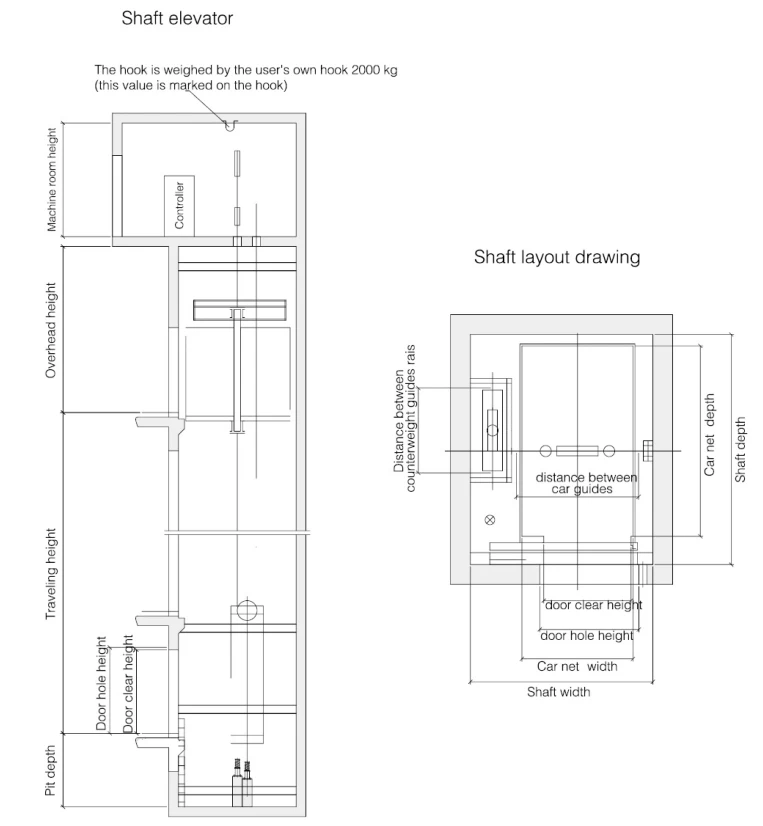

Standard Function


How to increase elevator cabin space of side opening FUJI hospital bed?
FUJI side opening hospital bed elevators increase the car space through unique designs, providing greater convenience for transporting hospital beds and other medical equipment.
Side-Opening
FUJI side opening hospital bed elevators feature a unique side-opening design. Compared to traditional center opening doors, side opening doors require less space when opening, effectively expanding the interior space of the elevator car. This allows for easier access and transportation of hospital beds and other medical equipment, increasing transportation efficiency.
Sliding Door Frames
FUJI hospital bed elevators feature sliding door frames. These door frames take up less space than traditional fixed door frames, further increasing the interior space of the elevator car. This not only facilitates the entry and exit of hospital beds but also provides more room for other medical equipment and caregivers.
Reasonable Layout
To better meet the needs of medical facilities, FUJI hospital bed elevators also feature a spacious interior layout. In addition to the bed area, extra space is provided for medical equipment and workspace for caregivers during transportation. This allows caregivers to perform necessary medical procedures while transporting patients, further enhancing the convenience and safety of bed transportation.

Cleaning and Disinfecting Every Inch of Your Elevator
Clean From Top To Bottom …And Top Again
If your elevator has carpeted floors, we recommend using a brush and vacuum to clean them. We also recommend using a powerful cleaner that can prevent elevator passengers from tracking dust, dirt, and grime out of the elevator. As for steel floors or tiled floors, clean and polish them using a neutral cleaner.
Clean At The Touch Of a Button
To clean and disinfect the buttons on your elevator's control panel, we recommend using an antibacterial cleaning agent but make sure not to spray it directly on the buttons as the solution may seep inside the control panel and damage internal components. Remove trapped dirt, dust, hair, and other bits stuck around the buttons using a microfibre.
Always Keep It Shiny For The Passengers
To keep your elevator's stainless-steel doors looking sparkling, we recommend using a non-abrasive cleaner to remove dust, stains and debris. You can also use cleaning agents to remove water spots for that clean and polished shine. To clean the interior walls, use a non-corrosive cleaner that doesn't leave behind strong smells for the sake of your passengers.
Cleaning Every Nook And Cranny On The Way Up
Spills, dust and debris naturally collect in the landing tracks between your building's elevator doors. We recommend using a vacuum to remove large particles and dust in the cracks of the door treads and then using a non-abrasive solution to clean the stainless-steel surfaces. Make sure that the elevator is completely stopped and locked to prevent it from moving when cleaning the door tracks.
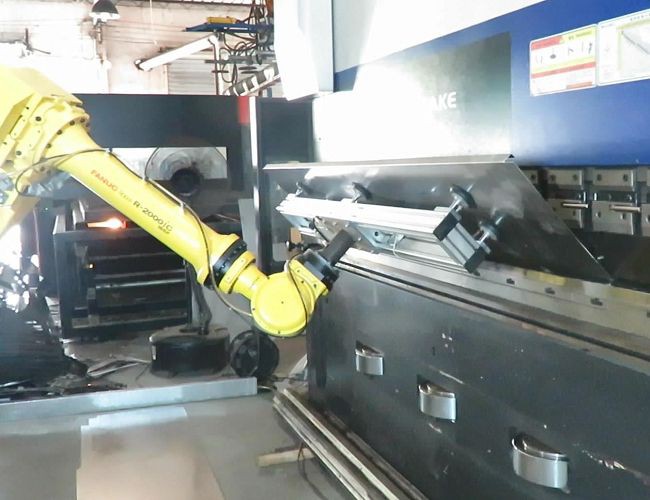
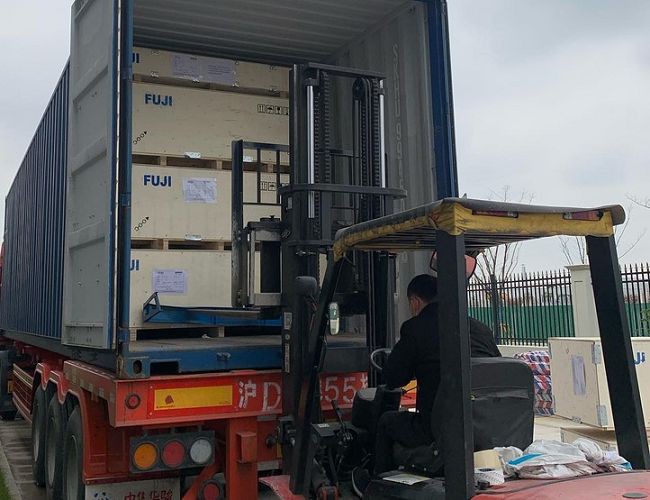
Production Flow




The Do's And Don't of Elevator Safety
For millions of workers, riding in an elevator is an everyday occurrence. If you use elevators at work, follow these "do's" and "don'ts" from the Elevator Escalator Safety Foundation to help stay safe.
Do:
- Watch your step when getting in or out of an elevator to avoid tripping.
- Hold the handrail if one is available, and stand next to the walls, away from the door.
- Stay calm if you find yourself stuck in an elevator. Use the elevator's alarm button or emergency contact button to get help.
- Reassure and calm anyone who is panicked about being stuck in the elevator.
- Stay in a stuck elevator – don't attempt to pry open the doors. Stay quiet and wait for safety instructions.
Don't:
- Use an elevator in the event of a fire. Take the stairs instead.
- Get on an overly crowded elevator. It may be reaching its weight capacity, so it's better to wait for the next one.
- Engage in horseplay.
- Rest on or push someone against a door.
FAQs
Q: What is the function of the bed elevator?
Q: What are the golden rules for elevator?
Q: What not to do in an elevator?
Q: When can we hold the door in an elevator?
Q: What is elevator in the hospital?
Q: What are the medical elevators used for?
Q: Why are elevators important in hospitals?
Q: What is the safety factor of elevator load?
Q: How many major safety devices are there on a elevator system?
Q: How do elevators know not to close?
Q: How do elevators know where to stop?
Q: What type of elevator is the safest?
Hot Tags: side opening fuji bed elevator, China side opening fuji bed elevator manufacturers, suppliers, factory, Center Opening FUJI Bed Elevator, Hospital Elevator, Medical Service Elevator, FUJI Bed Elevator, Side Opening FUJI Bed Elevator


