



Product Description
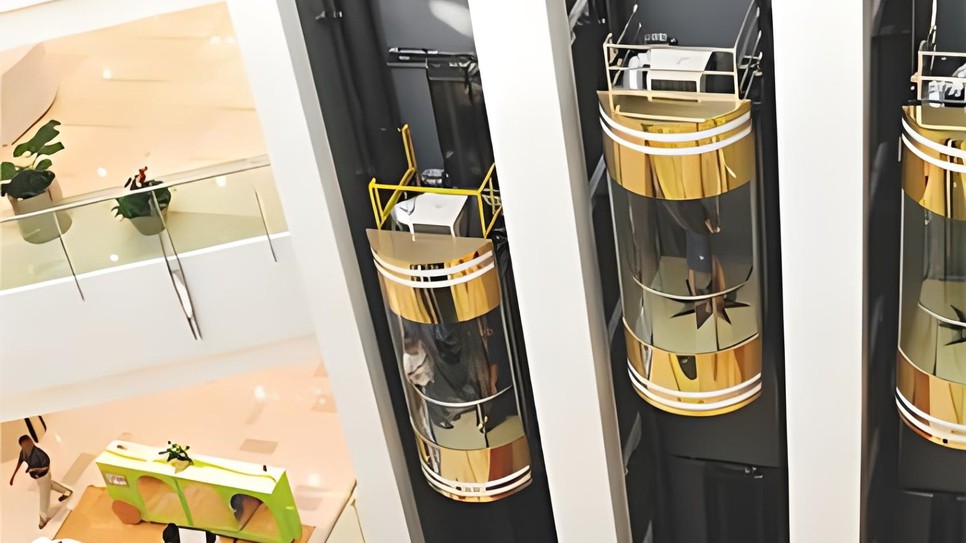
Sightseeing elevators are special elevators designed for tourists to travel in cities with many high-rise buildings. The aim is to show visitors the beautiful city and its top landmarks. The sightseeing elevator is a vertical elevator powered by an electric motor and equipped with a box-shaped pod for carrying people in multi-story buildings. Transparent materials are used on both the shaft wall and the car wall so that passengers can see the scenery outside the car when riding the elevator.
Construction Layout Drawing and Specifications


Standard Function


Features of 360 Degree Circular FUJI Sightseeing Elevator
Panoramic Design
The Fuji panoramic circular sightseeing elevator adopts a panoramic design, and passengers can enjoy the external scenery in the elevator. Glass is often made of special materials with high strength, high transparency and compliance with safety standards, such as tempered glass, multi-layer laminated glass, etc.
Intelligent Control
It utilizes advanced traction technology and intelligent control systems to ensure smooth and quiet elevator operation. At the same time, FUJI sightseeing elevator has high load capacity and fast lifting speed, meeting the needs of various sightseeing venues.
Comfort And Safety
The elevator interior is spacious and bright, equipped with viewing windows and comfortable seats. Additionally, our sightseeing elevator is equipped with advanced safety protection devices such as anti-drop mechanisms and emergency braking systems to ensure passenger safety.
Energy-Saving and Environmental Protection
It adopts efficient motors and energy-saving control systems, effectively reducing energy consumption. At the same time, the elevator's base structure is made from recyclable metal materials to support the weight of other components, passengers and floors within the elevator. Metal materials can be stainless steel, aluminum alloy, chrome plating, etc.

Applications of Sightseeing Elevators
Tourism Hotspots: Sightseeing elevators are commonly integrated into tourist hotspots and iconic landmarks, enhancing visitors' experiences by offering panoramic views of the surroundings.
Commercial Buildings: In some modern commercial buildings, panoramic elevators serve as an engaging feature for tenants and visitors, providing them with a visually pleasing journey through different floors.
Heritage and Architectural Marvels: Sightseeing elevators grace historical sites, museums, and cultural hubs, enriching the visitor's understanding by providing an exclusive vantage point of the site's heritage and architectural splendor.
How to Install a Panoramic Sightseeing Elevator
Step 1: The initial phase of the installation process involves the precise determination of the elevator shaft's location, a task typically undertaken collaboratively with an architect or engineer. This stage encompasses assessing the available headroom to accommodate the panoramic elevator and strategizing its placement in relation to other architectural elements such as stairs and corridors.
Step 2: Excavation of a pit is the subsequent step, essential for housing the elevator car and its supporting framework. The depth of this pit is contingent upon the desired location of the car within the building and its distance from the building's facade. Generally, a pit depth of at least 12 feet is advisable to ensure proper installation.
Step 3: Following excavation, construction of the pit's walls commences, utilizing concrete blocks or bricks based on preferences and budgetary considerations. These walls should attain a thickness of approximately 4 feet at their highest point, with decorative enhancements being optional.
Step 4: Subsequently, a network of steel beams is laid to serve as the foundational support structure for both sides of the panoramic elevator car. These beams will host the rails along which cables attached to the car will traverse.
Step 5: Installation of rails and cables follows, necessitating anchoring at each end of the elevator shaft using metal brackets. At this stage, make sure the rails on both sides of the pit are perfectly aligned, making detailed adjustments if needed. When completed, the shaft should have two parallel rails extending its length.
Step 6: The final step entails affixing a metal track on which the elevator car will traverse. The alignment of this rail with the previously installed guide rails prevents excessive tensioning of the connecting cables during operation, ensuring smooth and efficient operation of the panoramic elevator.
FAQs
Q: How many floors can an elevator go up?
Q: What are the suitability of elevators?
Q: What is the purpose of the elevator?
Q: What is the capacity of an elevator?
Q: How high can a single elevator go?
Q: What is the most important part of an elevator?
Q: What is the safety factor of public elevator?
Q: What are the advantages and disadvantages of elevators?
Q: How do I know how many elevators I need?
Q: How do elevators decide which floor to go?
Q: Do elevators have safety features?
Q: Do elevators waste electricity?
Hot Tags: 360 degree circular fuji sightseeing elevator, China 360 degree circular fuji sightseeing elevator manufacturers, suppliers, factory, Medical Service Elevator, Side Opening FUJI Bed Elevator, 6 Person Office Building FUJI Passenger Elevator, 12 Degree Moving Walk, Villa Elevator, Squire Shaped Observation Elevator


